Mid-Tier Bitcoin Miners Surge Post-Halving, Altering Industry Dynamics
Mid-tier Bitcoin miners are increasing their hashrate and debt, reshaping the competition landscape after the recent halving event.
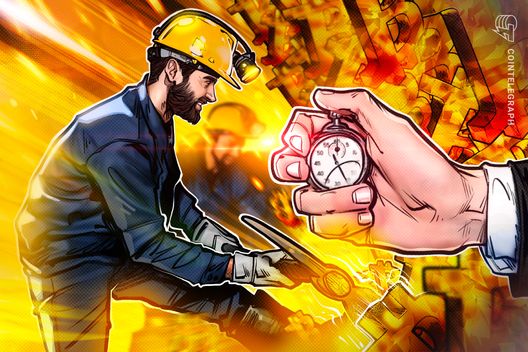
The Bitcoin mining industry is undergoing a significant transformation as mid-tier miners are rapidly gaining traction in the wake of the latest halving event. As the competition for Bitcoin rewards intensifies, these smaller miners are not only increasing their hashrate but are also accumulating substantial debt, thereby reshaping the industry’s power dynamics.
Bitcoin mining is the process through which transactions are verified and added to the public ledger, known as the blockchain. Miners use powerful computers to solve complex mathematical problems, with the first to solve the problem receiving a block reward, which currently stands at 6.25 BTC following the last halving event in May 2020. This halving event reduces the block reward by half, creating scarcity in the Bitcoin supply, and historically has led to price increases as demand outstrips supply.
With the next halving event anticipated in 2024, the current landscape is marked by heightened competition among miners. Traditionally dominated by large mining firms with significant capital investment in infrastructure and energy, the sector is witnessing a shift as mid-tier miners leverage technological advancements and strategic partnerships to level the playing field.
Mid-tier miners, often defined as those operating at a capacity between small-scale operations and large-scale industrial mining farms, are carving out their niche in this competitive market. These miners are utilizing a combination of innovative mining technologies, strategic location choice, and financial acumen to boost their operational efficiency and profitability.
Mid-Tier Bitcoin Miners Surge Post-Halving, Altering Industry Dynamics For instance, recent reports indicate that many mid-tier miners are increasing their hashrate—an indicator of computational power used in mining—through investments in next-generation mining rigs that promise higher efficiency and lower energy consumption. This technological edge allows them to compete more effectively against larger, more established mining operations.
Interestingly, as these mid-tier miners expand their operations, many are also taking on substantial debt. This is a double-edged sword; while debt can provide the necessary capital for growth and innovation, it also raises the stakes significantly. Miners are betting on their ability to repay this debt through future Bitcoin gains, a strategy that could pay off richly if Bitcoin prices continue to rise post-halving.
Moreover, the high volatility associated with cryptocurrency prices means that mid-tier miners must tread carefully. The potential for increased profitability is counterbalanced by the risk of significant losses in a downturn, particularly for miners reliant on borrowed capital. This situation has spurred discussions within the industry regarding sustainable growth strategies and risk management practices.
The rise of mid-tier miners is reshaping the competitive landscape. As these players gain market share, they are not only changing the dynamics of competition but also influencing Bitcoin's overall market behavior. Increased participation from mid-tier miners contributes to a more decentralized mining ecosystem, which can be beneficial for the overall health of the Bitcoin network.
Furthermore, the growing presence of mid-tier miners may lead to a diversification of mining locations, as these miners often seek regions with cheaper energy costs or favorable regulatory environments. This could mitigate some of the centralization risks associated with mining, which has been a growing concern among Bitcoin advocates.
Despite the positive trends, mid-tier miners face several challenges ahead. The need for constant upgrades to technology and infrastructure to keep up with the increasing difficulty of mining Bitcoin can strain financial resources. Additionally, the risk of regulatory changes looms large, particularly as governments around the world continue to scrutinize cryptocurrency operations.
Moreover, the environmental impact of Bitcoin mining remains a contentious issue. As the public and governmental scrutiny of mining practices intensifies, mid-tier miners will need to adopt more sustainable practices to maintain their social license to operate. This could involve investing in renewable energy sources or more efficient mining technologies to reduce their carbon footprint.
The post-halving landscape of Bitcoin mining is evolving, with mid-tier miners emerging as formidable players. Their ability to increase hashrate and take on debt reflects both the opportunities and risks within the sector. As competition intensifies, the industry is likely to witness further innovations, shifts in market dynamics, and potentially, a more equitable distribution of Bitcoin's mining power.
Overall, while the future remains uncertain, the resilience and adaptability of mid-tier miners could play a pivotal role in shaping the future trajectory of Bitcoin mining.
Related Posts
Unlock Your Crypto Potential: Top 5 DeFi Yield Farming Platforms
Ready to boost your crypto earnings? Discover the best yield farming platforms of 2023 and find out which one suits your investment style.
How NFTs Are Changing the Game for Real Estate Investors
Curious about NFTs and real estate? Discover how digital ownership is making property investment easier and more transparent than ever!
Crack the Code: Mastering Ethereum Gas Fees
Tired of high Ethereum gas fees? Discover practical tips to optimize your transaction costs and keep your crypto journey budget-friendly!
Your Ultimate Guide to Earning Passive Income with Staking
Curious about making money while you sleep? Discover how cryptocurrency staking can help you earn passive income effortlessly in this easy-to-follow guide.
Your Ultimate Guide to Choosing a Secure Hardware Wallet
Worried about crypto security? Discover how to pick the perfect hardware wallet to keep your digital assets safe and sound. Let’s dive in!
5 Safe Crypto Trading Strategies for Nervous Investors
Feeling uneasy about crypto? Discover five low-risk trading strategies that help you navigate the market without losing your cool.